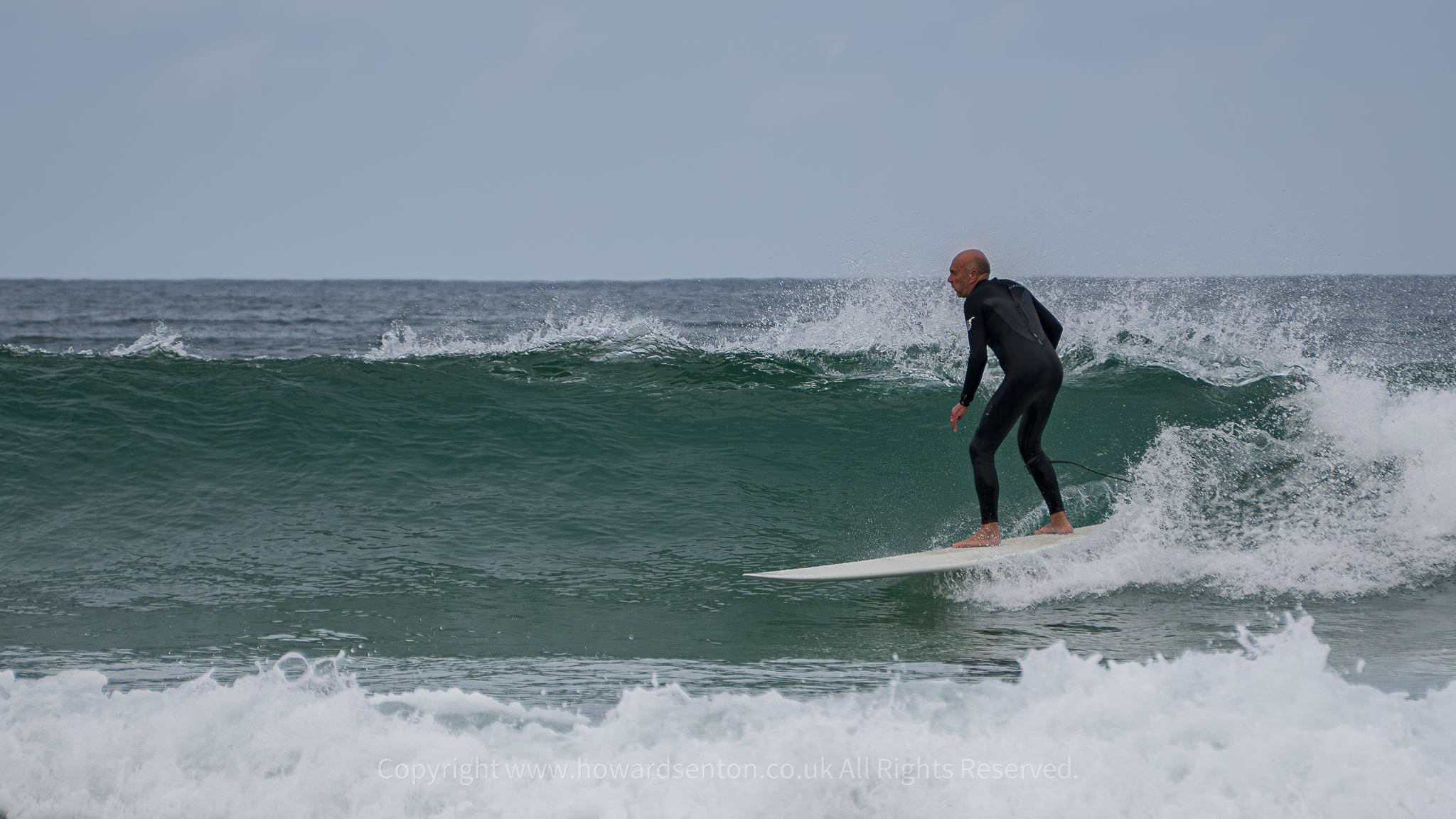
Newquay is one of the UK’s best-known surfing destinations and is often regarded as the heart of British surfing. Located on Cornwall’s north Atlantic coast, Newquay has a remarkable variety of beaches, from sheltered beginner-friendly waves in the town to powerful Atlantic beach breaks and serious big-wave surfing.
Whether you’re catching your first wave, learning to surf green waves, riding a longboard or looking for more challenging winter surf, Newquay has something for almost every level.
The area is particularly useful for surfers because you can move between beaches relatively quickly when the wind, swell or tide changes.
Why Newquay is such a good surfing destination
Newquay faces the Atlantic and receives swell throughout the year. Its collection of beaches means that conditions can be very different from one beach to another.
The main surfing areas include:
- Fistral Beach
- Towan Beach
- Great Western Beach
- Tolcarne Beach
- Lusty Glaze
- Little Fistral
- Watergate Bay
- Crantock Beach
- Porth Beach
- Mawgan Porth
- Perranporth, slightly further south
The more exposed beaches generally receive more swell, while the beaches inside Newquay Bay can provide more shelter when Fistral and the other exposed beaches become too powerful.
Fistral Beach
The home of British surfing
Fistral is Newquay’s most famous surfing beach and arguably the most iconic surf beach in Cornwall.
It is a large west-facing beach that picks up plenty of Atlantic swell. It can produce everything from manageable waves for developing surfers to powerful, hollow waves for experienced riders.
Fistral is also extremely popular, particularly during the summer, so expect crowded line-ups during good conditions.
Who is Fistral suitable for?
Beginners: South Fistral and the appropriate sections of the beach can work well with suitable conditions and coaching.
Improvers: Excellent for progressing from white water into unbroken waves.
Intermediate surfers: Plenty of opportunities to work on turns and wave selection.
Advanced surfers: Larger swells can produce powerful, fast waves.
Fistral generally becomes more powerful as the tide drops, while other sections can become more manageable as the tide fills in. Conditions change quickly, so don’t assume that the beach will surf the same way throughout the day.
Surf schools at Fistral
Fistral Beach Surf School is based directly on Fistral and offers beginner through advanced coaching, equipment hire and private lessons. It is open throughout the year.
Quiksilver Surf School Newquay is another established option based close to South Fistral.
Cornwall Surfing Academy Fistral beach is also based close to the Fistral area.
The Cribbar
Newquay’s big-wave legend
The Cribbar is one of Britain’s most famous big-wave locations.
It is a reef break situated off Towan Headland and requires very large swell before it becomes surfable. When it works, the waves can become enormous and extremely powerful.
Visit Cornwall describes waves at the Cribbar reaching around 10 metres during exceptional conditions.
This is not a beginner or casual intermediate surf spot.
The Cribbar should only be considered by highly experienced big-wave surfers with the appropriate equipment, knowledge, support and rescue planning.
For most surfers, it is best appreciated from land.
Towan Beach
Towan is Newquay’s central town beach and is one of the most accessible places to surf.
It sits inside the more sheltered part of Newquay Bay, meaning it can sometimes provide smaller, cleaner waves when the exposed beaches are getting hammered.
Best for
- Beginners
- Surf lessons
- Families
- Improvers
- Smaller swell days
- Surfers looking for shelter
Towan is particularly useful when you’re learning to read Newquay’s conditions.
If Fistral looks too powerful, check the beaches inside the bay before giving up on the session.
Great Western Beach
Great Western sits immediately beside Towan and can provide slightly more swell.
It is a useful intermediate option when you want something more powerful than Towan but don’t necessarily want the full exposure of Fistral.
Great Western can be particularly useful during winter swells, although conditions can become challenging when the Atlantic is producing larger surf.
NQY Surf School operates from Great Western Beach.
Tolcarne Beach
Tolcarne is another beach within Newquay Bay.
It can produce fun waves, particularly around the middle stages of the tide, and its position gives it a slightly different exposure to the other beaches in the bay.
At higher tides, sections of the beach can produce more powerful wedges.
It can be a good option for experienced surfers when the conditions are suitable, while beginners should choose the beach and conditions carefully.
Lusty Glaze
Lusty Glaze is one of the more exposed beaches around Newquay and can pick up considerable swell.
Newquay Activity Centre describes it as a swell magnet and notes that it can produce larger waves than Towan and Great Western.
This makes Lusty Glaze worth checking when the surf is small elsewhere.
However, more swell also means more powerful currents and waves, so it isn’t automatically a better choice for beginners.
Little Fistral
Little Fistral is tucked beside Fistral and can produce quality waves.
It is considerably less forgiving than the beginner sections of Fistral and is best left to experienced surfers when the waves are powerful.
Newquay Activity Centre specifically describes Little Fistral as unsuitable for inexperienced surfers.
Watergate Bay
Watergate Bay is one of the most important surf beaches within easy reach of Newquay.
It is approximately 3 miles north of Newquay and is a large, exposed Atlantic beach.
Watergate is often a good alternative to Fistral.
It receives plenty of swell but can have a different feel from Fistral, with long stretches of beach allowing surfers and surf schools to spread out.
It can work particularly well for:
- Beginners in smaller conditions
- Improvers
- Longboarders
- Intermediate surfers
- Experienced surfers looking for bigger waves
Watergate is exposed, however, and rip currents can become significant when the surf increases.
Surf schools
Westcountry Surf School operates at Watergate Bay.
Other established schools also operate in the area, giving beginners several options depending on the conditions and type of coaching required.
Crantock Beach
Crantock is south of Newquay, on the other side of the River Gannel.
It is a beautiful, much more open beach surrounded by dunes and cliffs.
Crantock can produce excellent waves, including longer rights in the appropriate conditions.
However, the River Gannel creates significant water movement and currents.
Beginners should take particular care around the river mouth.
Crantock can have excellent white-water conditions for learning when the size is suitable, but the currents mean that beginners should ideally surf with a qualified instructor rather than simply paddling out on their own.
Porth Beach
Porth is another useful option when conditions are suitable.
It is generally more mellow than some of Newquay’s exposed beaches and can be particularly useful for learners and longboarders.
Newquay Activity Centre describes Porth as a mellow beach break with slower waves suitable for learners and bodyboarders.
Mawgan Porth
Mawgan Porth is north of Newquay and provides another alternative when searching for waves.
It is exposed to Atlantic swell and can pick up more swell than some of the more sheltered Newquay beaches.
That makes it an interesting option for experienced surfers but means beginners need to choose their conditions carefully.
Perranporth
If you are prepared to drive further south, Perranporth is another major North Cornwall surf destination.
It is a large beach with plenty of space and can produce excellent surf.
It is worth considering when Newquay is crowded or when the wind and swell favour the beaches further south.
Choosing a beach based on your ability
| Surfing ability | Beaches to consider |
|---|---|
| Complete beginner | Towan, Great Western, Porth, suitable Fistral sections |
| Beginner with lessons | Fistral, Towan, Watergate, Porth |
| Improver | Great Western, Fistral, Watergate, Tolcarne |
| Intermediate | Fistral, Watergate, Crantock, Great Western |
| Advanced | Fistral, Crantock, Watergate, larger winter breaks |
| Expert/big-wave | Fistral, Cribbar and other specialist breaks |
The most important point is that the same beach can be suitable for completely different abilities depending on the conditions.
A 2ft day at Fistral and a 6–8ft winter swell at Fistral are completely different propositions.
When is the best time to surf Newquay?
Spring
Spring can produce excellent surf while avoiding some of the biggest summer crowds.
Water temperatures are still cold, so a good quality winter wetsuit is normally appropriate.
Summer
Summer is the busiest time of year.
Newquay can have excellent small-to-medium waves, particularly for beginners and improvers, but popular beaches can become crowded.
This is also when surf schools are busiest.
Early mornings can be particularly worthwhile when conditions are clean and winds are lighter.
Autumn
Autumn is arguably one of the best periods for experienced surfers.
Atlantic storms begin generating more swell, while the water remains relatively warm compared with winter.
September and October can produce some excellent sessions.
Winter
Winter is when Newquay can really show its power.
Large Atlantic swells can transform Fistral, Watergate and other exposed beaches.
For experienced surfers, this can produce some of the best waves of the year.
For beginners, however, winter is often better spent surfing smaller sheltered beaches or taking lessons when conditions permit.
Wetsuits for Newquay
Cornish water is cold enough that you should take your wetsuit seriously.
For year-round surfing, a good-quality 5mm wetsuit is a sensible choice.
A quality 3mm suit can work during summer, particularly on warmer days, but construction makes a major difference. Glued and blind-stitched seams generally provide much better insulation than cheap flat-stitched suits.
For winter you may want:
- 5/4mm or 5/5mm wetsuit
- Boots
- Gloves
- Hood
Don’t automatically buy the cheapest wetsuit you can find.
Brands such as Xcel, Rip Curl, O’Neill and Snug are worth considering, particularly if you’re going to surf regularly.
Surfboard choice
If you’re learning, don’t make the classic mistake of buying a shortboard because it looks like the boards used by advanced surfers.
A beginner will generally progress faster on:
- A large foam board
- A stable mini-mal
- A suitable longboard
As you improve, you can move towards:
- Funboards
- Fish
- Mid-lengths
- Performance shortboards
Newquay has several hire shops, making it an excellent place to experiment with different boards before buying one.
Surf schools in Newquay
There is a huge choice of surf schools in Newquay.
Some established options include:
- Fistral Beach Surf School — based directly on Fistral Beach.
- Newquay Activity Centre Surf School — 60 Fore Street, Newquay, TR7 1LW.
- Cornish Wave Surf School — 40 Fore Street, Newquay, TR7 1LP.
- Escape Surf School — 35 Fore Street, Newquay, TR7 1HD.
- NQY Surf School — Great Western Beach.
- Blue Wings Surf School — 113 Tower Road, Newquay.
- Westcountry Surf School — Watergate Bay.
- Quiksilver Surf School Newquay — South Fistral area.
- Surf Sanctuary — The Headland Hotel area.
There are also other schools operating around the wider Newquay beaches. Visit Newquay’s local surf guide lists schools including Fistral Beach Surf School, Fins Surf School, Newquay Activity Centre, Escape Surf School and others.
What to look for in a surf school
Don’t choose solely on price.
Look for:
- Qualified surf coaches
- Appropriate student-to-instructor ratios
- Good quality equipment
- Beach-specific knowledge
- Lifeguard qualifications where applicable
- Proper assessment of conditions
- Lessons matched to your ability
For example, Fistral Beach Surf School currently lists a maximum group ratio of 8 students per instructor and offers beginner through advanced coaching.
Surf shops and equipment hire
Newquay has one of the best concentrations of surf shops in the UK.
Some worth knowing include:
- 10 Over Surf Shop — 11 Cliff Road, Newquay, TR7 2NE.
- Ann’s Cottage Surf Shops – Fistral Beach (1) — Fistral Beach Complex.
- Slide and Glide — 70 Fore Street.
- Boardwalk Surf Shop — 17 Cliff Road.
- Karma Surf Shop Newquay — The Crescent.
- Temple of Fringe surf shop — Bank Street area.
- Surf Hire Newquay — Great Western Beach.
These are useful for everything from wax and leashes to wetsuits, fins, boards and other surf equipment.
Surfing etiquette in Newquay
Newquay can become extremely busy, particularly during the summer.
Good surf etiquette is essential.
Remember the basics
The surfer closest to the peak normally has priority.
Don’t paddle around someone who is already riding a wave.
Don’t drop in.
Don’t deliberately snake another surfer.
Don’t paddle straight into the path of a surfer riding a wave.
If you’re learning, stay in the appropriate beginner area and don’t paddle into the main peak simply because you see better waves there.
If you’re unsure, watch the lineup for a few minutes before paddling out.
Rip currents
Rip currents are one of the biggest hazards around Newquay.
They can occur at:
- Fistral
- Watergate
- Crantock
- Perranporth
- Other exposed Atlantic beaches
The river mouth at Crantock deserves particular respect because of the water movement associated with the Gannel.
If caught in a rip:
- Don’t panic.
- Don’t try to swim directly against it.
- Stay with your board if possible.
- Signal for help if necessary.
- Swim parallel to the beach once you are able to escape the strongest current.
- Follow lifeguard instructions.
Always check the beach conditions and lifeguard information before entering the water.
Surfing when the waves are big
Newquay’s reputation can sometimes give visitors the impression that bigger waves simply mean better surfing.
They don’t.
If you are inexperienced, a smaller clean wave is far more valuable than being caught in surf beyond your ability.
If Fistral is overhead and closing out, look at the sheltered beaches.
If everywhere is too big, don’t surf.
There will always be another day.
Surf photography in Newquay
Newquay is also an excellent destination for surf photography.
Fistral provides some of the best opportunities because the beach is easy to access and there are surfers throughout the day.
Good photography locations include:
- Fistral Headland
- South Fistral
- Towan Headland
- Newquay Bay
- Great Western
- Watergate cliffs
- Crantock dunes and headlands
For photographers, the best conditions aren’t necessarily the biggest waves.
Clean offshore winds, good light and a manageable swell can produce much better photographs than a huge stormy day.
If photographing surfers from the water, make sure you have appropriate water housing and understand the surf conditions. Never put yourself in danger simply to get a photograph.
Newquay surfing – quick beach guide
| Beach | Exposure | Best suited to | Main character |
| Fistral | High | All levels depending on conditions | UK’s iconic surf beach |
| Towan | Lower | Beginners/improvers | Sheltered town beach |
| Great Western | Medium | Beginners/improvers | Slightly more swell than Towan |
| Tolcarne | Medium | Improvers/experienced | Fun bay waves |
| Lusty Glaze | High | Intermediate/advanced | Swell magnet |
| Little Fistral | High | Experienced | Powerful, quality waves |
| Watergate | High | All levels depending on conditions | Large, exposed beach |
| Crantock | High | Intermediate/advanced | Powerful beach break/current |
| Porth | Medium | Beginners/longboarders | Mellow conditions |
| Mawgan Porth | High | Intermediate/advanced | Picks up plenty of swell |
| Perranporth | High | All levels depending on conditions | Large Atlantic beach |
| Cribbar | Extreme | Big-wave specialists | Serious reef break |
Tips for your first Newquay surf trip
1. Check more than one beach
Don’t simply arrive at Fistral and assume that’s where you have to surf.
Look at Fistral, Towan, Great Western, Watergate and the other nearby beaches.
2. Check the tide
The tide can dramatically change the shape, power and location of waves.
3. Check the wind
Wind direction can make the difference between clean waves and messy surf.
4. Check the swell
A 1–2ft forecast and a 6–8ft forecast represent completely different conditions.
5. Ask locals or surf schools
Local knowledge can save you a lot of time and potentially keep you out of dangerous conditions.
6. Don’t overestimate your ability
Newquay can look deceptively friendly from the beach.
The Atlantic can become powerful very quickly.
7. Get a good wetsuit
A comfortable, warm surfer is generally a happier and safer surfer.
Best Newquay beaches by type of surfer
Best for complete beginners
Towan, Porth and suitable sections of Fistral or Watergate.
Best for surf lessons
Fistral and Watergate.
Best for improving surfers
Great Western and Fistral.
Best for intermediate surfers
Fistral, Watergate and Crantock when conditions are appropriate.
Best for experienced surfers
Fistral, Watergate, Crantock and the more exposed breaks.
Best for big-wave surfing
The Cribbar – for specialists only.
Best for longboarding
Smaller days at Fistral, Watergate, Porth and the sheltered Newquay Bay beaches.
Final thoughts
Newquay is much more than just Fistral Beach.
One of the biggest advantages of surfing Newquay is the variety of beaches within a relatively small area. When one beach is too big, too windy or too crowded, another may offer much more manageable conditions.
For a beginner, Towan, Porth, suitable sections of Fistral and surf-school sessions at Watergate are excellent starting points.
For an improving surfer, Great Western and Fistral offer opportunities to develop your wave selection, paddling and turns.
For experienced surfers, Fistral, Watergate, Crantock and the surrounding North Cornwall coastline can provide genuinely high-quality Atlantic surf.
And when a major swell arrives, Newquay’s reputation becomes very obvious — but those conditions should be respected rather than chased without the necessary experience.
The best Newquay surf trip is not necessarily the one with the biggest waves. It’s the one where you choose the right beach, the right board and the right conditions for your ability.
No responses yet